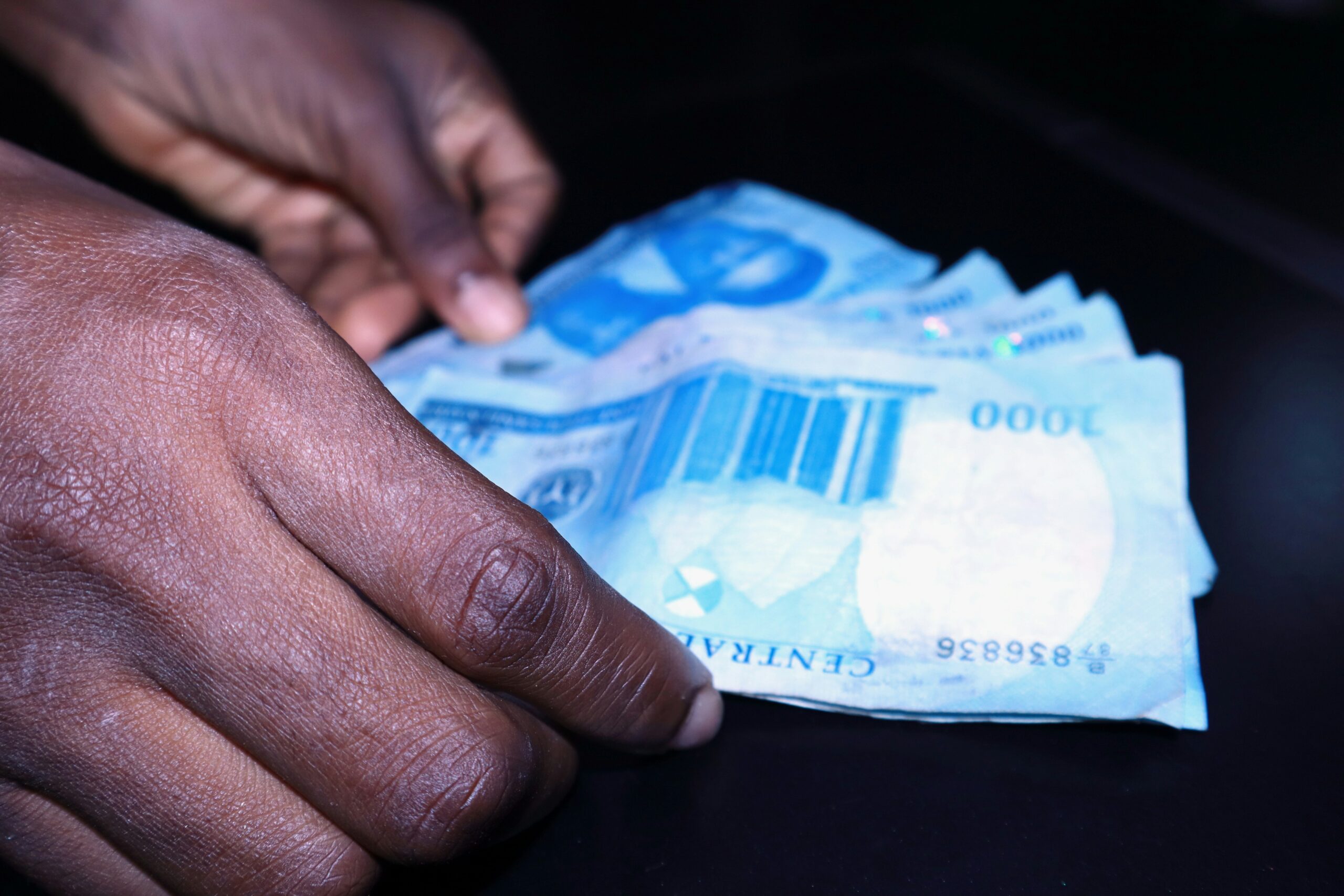
In June 2023, one US dollar cost approximately ₦770 at the official rate. By early 2025, that same dollar was trading at over ₦1,600. If you are trying to understand what happened, you are not alone. And if you have been told it is simply because the government “removed the subsidy” or “floated the naira,” you have been given part of the answer, not the full one.
What devaluation actually is
A currency loses value when there is more of it chasing fewer goods, fewer foreign currencies, or fewer people willing to hold it. The naira’s collapse was not a single event — it was the outcome of several overlapping failures playing out at the same time.
Nigeria earns most of its foreign exchange — dollars, pounds, euros — through oil exports. When oil revenues fall, either because prices drop or because production is disrupted, the country earns fewer dollars. Fewer dollars means the naira has to work harder to compete for them. The exchange rate weakens.
For years, the Central Bank of Nigeria managed this by maintaining an official exchange rate that was artificially stronger than what the market would have set. This created a gap between the official rate and the parallel market — the black market, in common parlance — and that gap became a business in itself. Connected individuals and companies could access dollars at the official rate and sell them at the parallel rate for a profit. Ordinary Nigerians and businesses without access paid the parallel rate for everything.
What the unification of the exchange rate did
When the CBN moved to unify the official and parallel market rates in mid-2023, it was largely presented as a reform. And in structural terms, it was: it removed the distortion, closed the arbitrage gap, and signalled to foreign investors that Nigeria was serious about market-determined pricing.
What it also did, immediately, was cause the official rate to collapse toward where the parallel market already was. The naira did not lose 70% of its value overnight because of one decision. It caught up to a reality that had been masked for years.
Why the number matters
For anyone earning in naira and spending in naira on locally produced goods, a 70% devaluation is painful but not catastrophic in the immediate sense. Prices rise, purchasing power falls, but the goods are still there.
For anyone who imports — and Nigeria imports a significant portion of what it consumes, from fuel to medicine to raw materials — a 70% devaluation means costs have nearly doubled in dollar terms. Those costs pass through to prices. This is a significant driver of the inflation that has pushed food prices beyond the reach of millions of Nigerian households.
Why it doesn’t tell the whole story
Exchange rate movement is a symptom, not a cause. The underlying question is why Nigeria, the largest economy in Africa by GDP, cannot earn enough foreign exchange to stabilise its own currency. The answers involve oil production shortfalls driven partly by crude theft, a manufacturing sector too small to export competitively, a diaspora remittance pipeline that is real but insufficient, and a debt servicing burden that consumes a significant share of every dollar the government earns.
Fixing the exchange rate, in this context, is less about monetary policy and more about whether Nigeria can build an economy that earns more than it spends in foreign currency. That is a longer and harder conversation than any single policy decision.
For now, what you need to know is this: the number you see on the exchange rate board is not arbitrary. It is the price the economy is paying for decisions made — and not made — over many years.