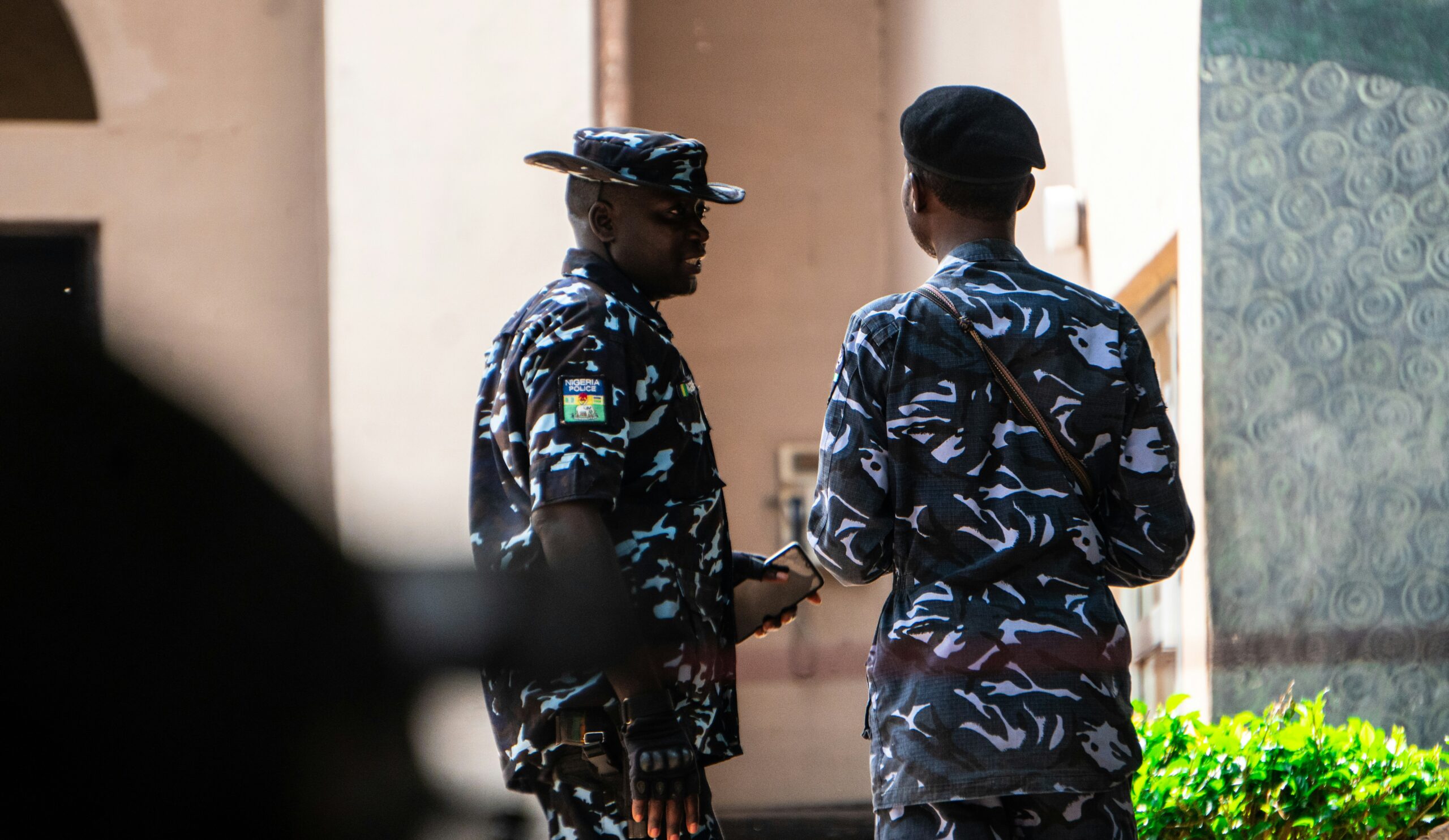
The phrase “state of emergency” carries a weight that its legal meaning does not always justify. When it is declared, the news coverage tends to be dramatic. The political debate follows quickly. But what changes, concretely, when a state of emergency is proclaimed in Nigeria? And what stays exactly the same?
What the Constitution says
Section 305 of the 1999 Constitution gives the President the power to declare a state of emergency in any part of Nigeria under specific conditions. These include situations where there is a breakdown of public order and public safety that cannot be adequately managed by ordinary law, an actual or imminent disaster or natural calamity affecting a state, or a state of war or armed conflict.
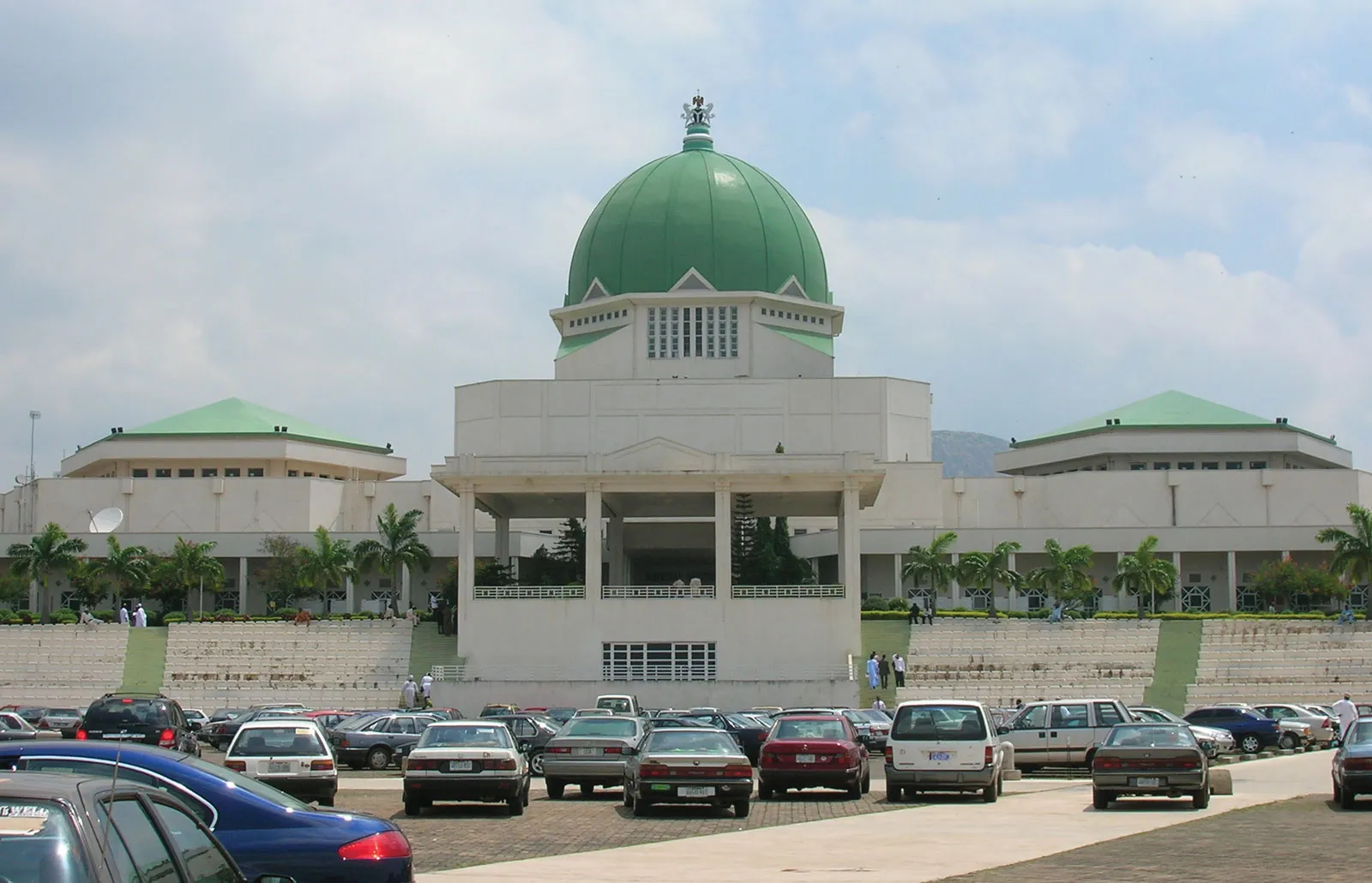
The declaration must be sent to the National Assembly within two days. Both chambers — the Senate and the House of Representatives — must approve it within ten days by a two-thirds majority vote. If the National Assembly is not in session, the President is required to summon it immediately.
The declaration can last for an initial period of six months and can be renewed with National Assembly approval.
What it changes
A state of emergency does not suspend the Constitution. This is a point that is frequently misunderstood. What it can do — in practice, and depending on how it is implemented — is suspend the functions of a state governor and state assembly and replace them with a sole administrator, typically a retired military officer or a federal government appointee.
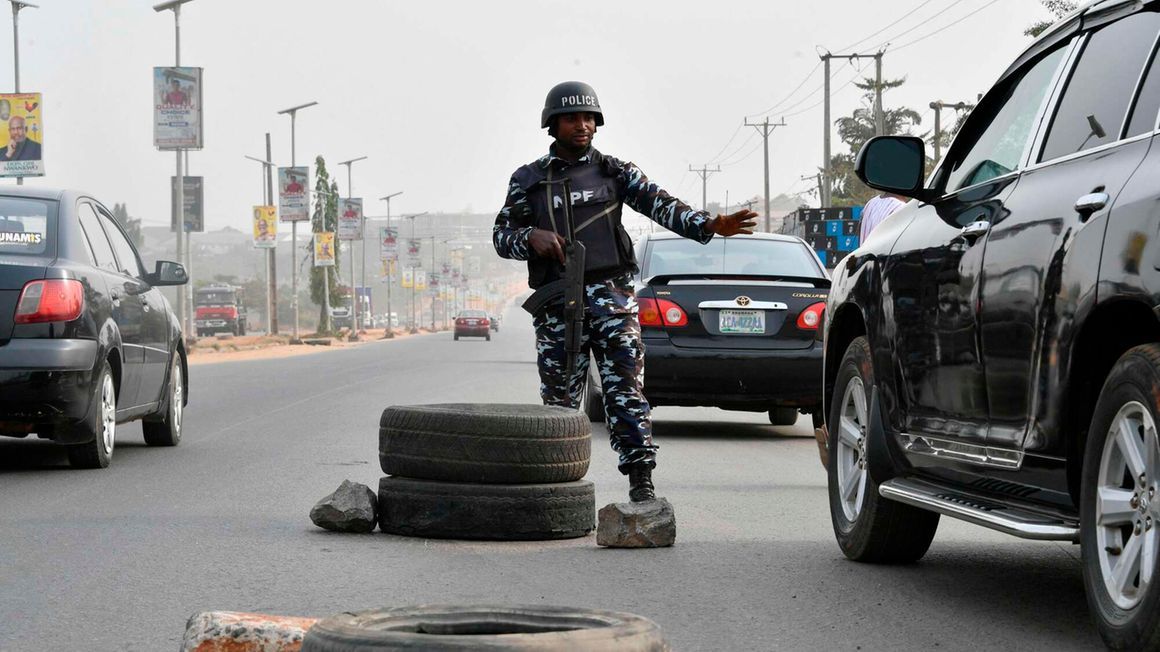
It also activates federal security coordination in the affected area, meaning the military, police, and other agencies operate under a unified command that answers to Abuja rather than to the state.
Certain fundamental rights — movement, assembly, freedom from arbitrary detention — can be restricted during a state of emergency, but the Constitution explicitly protects others regardless. You cannot be tortured. You cannot be subjected to inhuman or degrading treatment. You cannot be tried for an act that was not a crime when you committed it. These protections do not pause.
What it does not change
Courts continue to function. The judiciary is not suspended. Citizens retain the right to approach courts, including to challenge the legality of actions taken under the emergency. This has happened before — Nigerians have successfully litigated against executive overreach during emergency periods.
Press freedom is not formally suspended, though in practice, coverage from affected areas becomes harder, access is restricted, and the conditions for self-censorship grow.
The economic life of the affected area continues. Businesses remain open. Contracts remain valid. Property rights are not suspended.
The political history
Nigeria has used the state of emergency provision multiple times since 1999 — in Plateau State, in Borno, Yobe, and Adamawa at the height of the Boko Haram insurgency, and in other states facing security crises. The record is mixed. In some cases, the declaration provided a framework for genuine security stabilisation. In others, it was used to remove a political opponent from office under the cover of emergency powers.
The distinction matters. A state of emergency is a constitutional tool. Like most tools, its effect depends entirely on the hands using it and the intentions behind its use.
What you should know, if one is ever declared in your state, is exactly what it permits and exactly what it does not. The law is specific. The politics are not always.